
In the context of fiercely competitive business, the formulation and implementation of an effective business strategy is vital for every organization. The holistic strategy management model provides a solid framework for businesses to plan and navigate their development path. This article will delve into the details of this model, from the components, implementation processes to practical applications, helping you understand and effectively apply to your business.
Contents
1. Overview of the Comprehensive Strategy Management Model
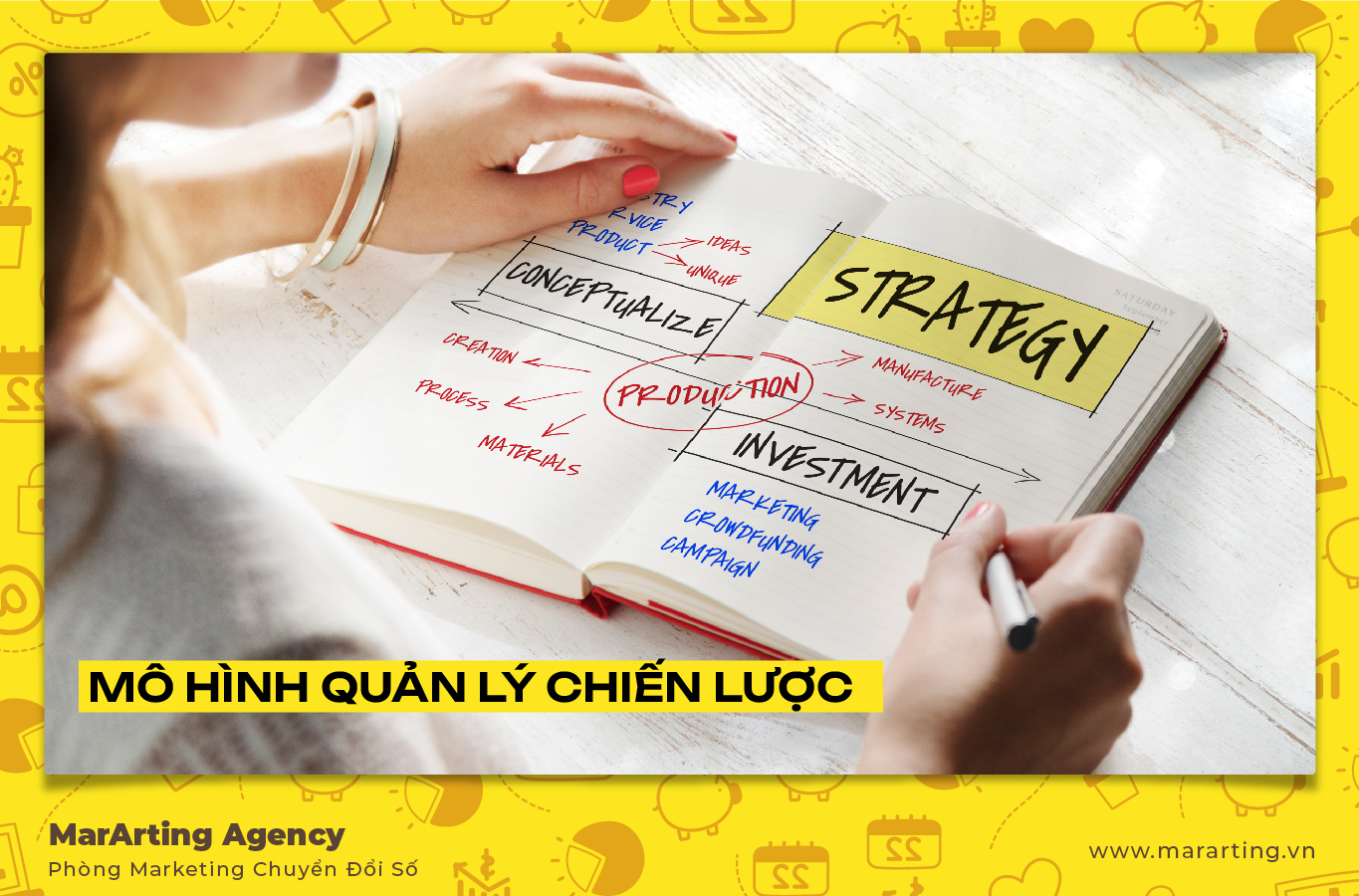
A holistic strategy management model is a systematic process, consisting of closely interconnected steps, that helps businesses identify and achieve long - term goals. This model focuses not only on strategy formulation but also on implementation, assessment and adjustment of the strategy to adapt to changes of the business environment.
Model Components:
- Vision (Vision): Describe the ideal state that the business wants to achieve in the future, which is the inspiration and motivation for the entire organization.
- Mission (Mission): Determine the reason for your business's existence and purpose, and demonstrate the value your business brings to society and your customers.
- Core Values: These are the basic principles, beliefs and ethical standards that shape the culture and behavior of the business.
- Environmental Analysis: Includes analysis of the internal environment (strengths, weaknesses) and the external environment (opportunities, challenges) to assess the current situation and forecast future trends.
- Strategic development: Based on the results of the environmental analysis, the business will determine the feasible strategy options and choose the most optimal strategy.
- Implementation of the strategy: Transform the built - in strategies into concrete actions, including resource allocation, establishing control systems, and managing performance.
- Assess and adjust strategies: Regularly assess the effectiveness of the strategy and make adjustments as needed to ensure it is consistent with the changing business environment.
2. C2.1 Construction and Implementation Procedure. Define Vision, Mission and Core Values
- Visions: Be clear, concise, easy to understand, and inspiring.
- Our Mission: It is necessary to be specific, oriented and reflect the nature of the enterprise's activities.
- Core Values: It should be clearly defined and reflected in all activities of the business.
2.2. Business Environment Analysis
- Internal environment analysis: Use tools such as SWOT, VRIO to assess the strengths, weaknesses, resources and capabilities of the business.
- External Environmental Analysis: Use tools such as PESTLE, Five Forces to assess political, economic, social, technological, legal, environmental, and competitive factors.
2.3. Build and Choose a Strategy
- Identify strategic options: Based on the results of the environmental analysis, the business will determine the feasible strategic options for achieving the goal.
- Evaluation of strategic options: Using criteria such as feasibility, suitability with resources, profitability, risks to assess each option.
- Choose the optimal strategy: Choose the strategy that best suits your business's situation.
2.4. Strategic Implementation
- Resource Allocation: Allocate resources (financial, personnel, technology, etc.) for the implementation of the strategy.
- Develop an action plan: Divide your strategy into specific goals, activities to be performed, and timelines for completion.
- Communication and Coordination: Make sure all members of the organization understand their roles and responsibilities in implementing the strategy.
2.5. Strategic Review and Adjustment
- Measurement System Setup: Identify performance metrics (KPIs) to track the progress of the strategy.
- Tracking and evaluation: Regularly collect and analyze data to evaluate the effectiveness of the strategy.
- Adjust the strategy (if necessary): If the strategy does not achieve the expected effect, it is necessary to adjust or change the strategy.
3. Practical Application of the Comprehensive Strategy Management Model
The holistic strategy management model can be applied to all types and sizes of businesses. Here are some specific examples:
- Start-up business: Use models to identify target markets, build business models and develop unique products/services.
- Small and medium enterprises: Use the model to grow revenue, expand market share and improve competitiveness.
- Major corporations: Use the model to manage your portfolio, diversify your business and maintain a leading position in the market.
Conclusion
The holistic strategy management model is a useful and necessary tool for every business. By applying this model in a systematic and systematic manner, businesses can build and implement effective business strategies, thereby achieving sustainable success in a challenging business environment.
Translated from the Vietnamese original using VinAI Translate.
Đánh giá chiến lược · giá trị cốt lõi · hoạch định chiến lược · mô hình quản lý chiến lược toàn diện · mục tiêu chiến lược · phân tích môi trường kinh doanh · sứ mệnh · tầm nhìn · Thực hiện chiến lược · xây dựng chiến lược