
Viewpoint of MarArting Agency
MarArting’s founder discusses AI with FPT Aptech students

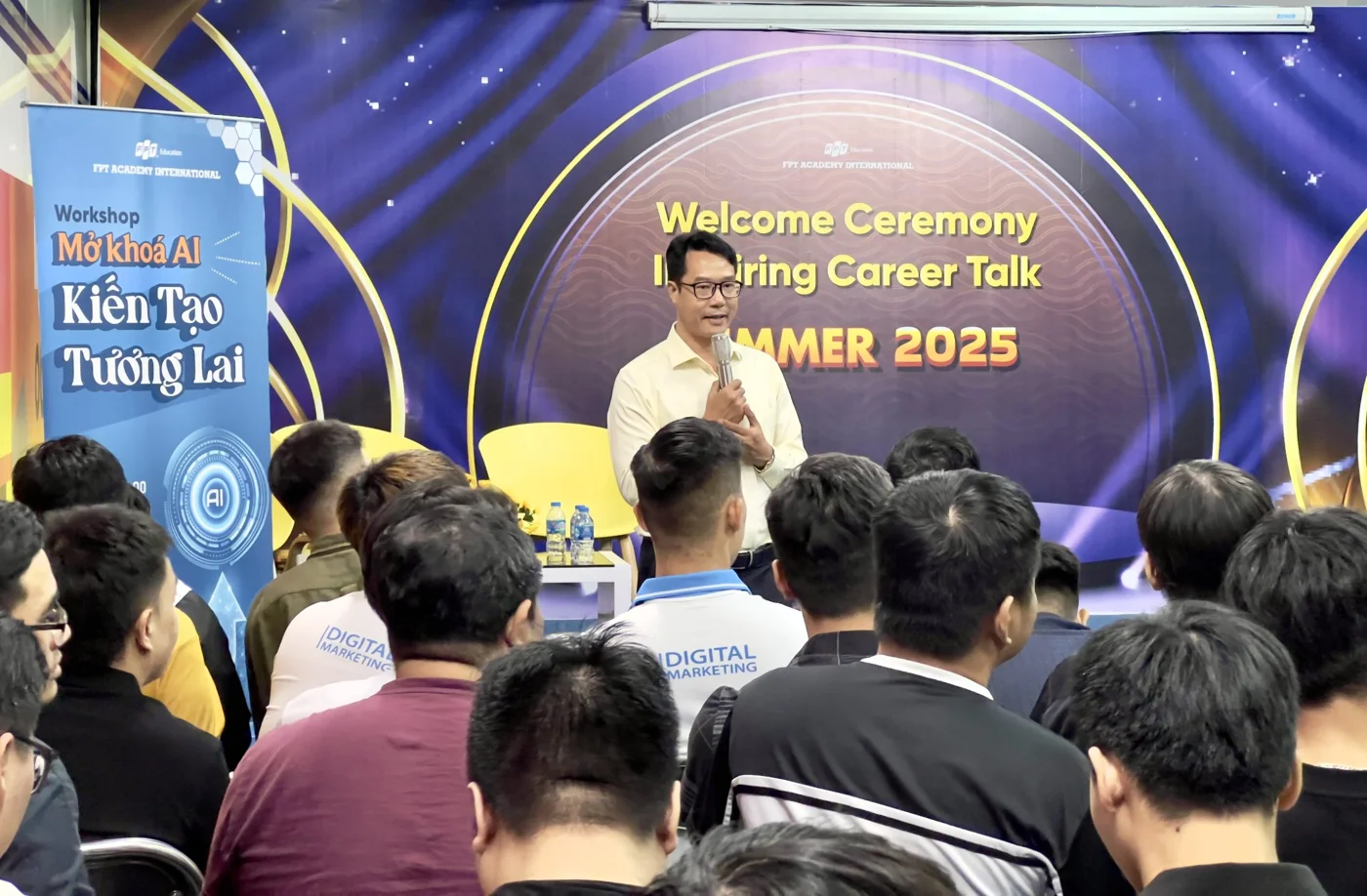
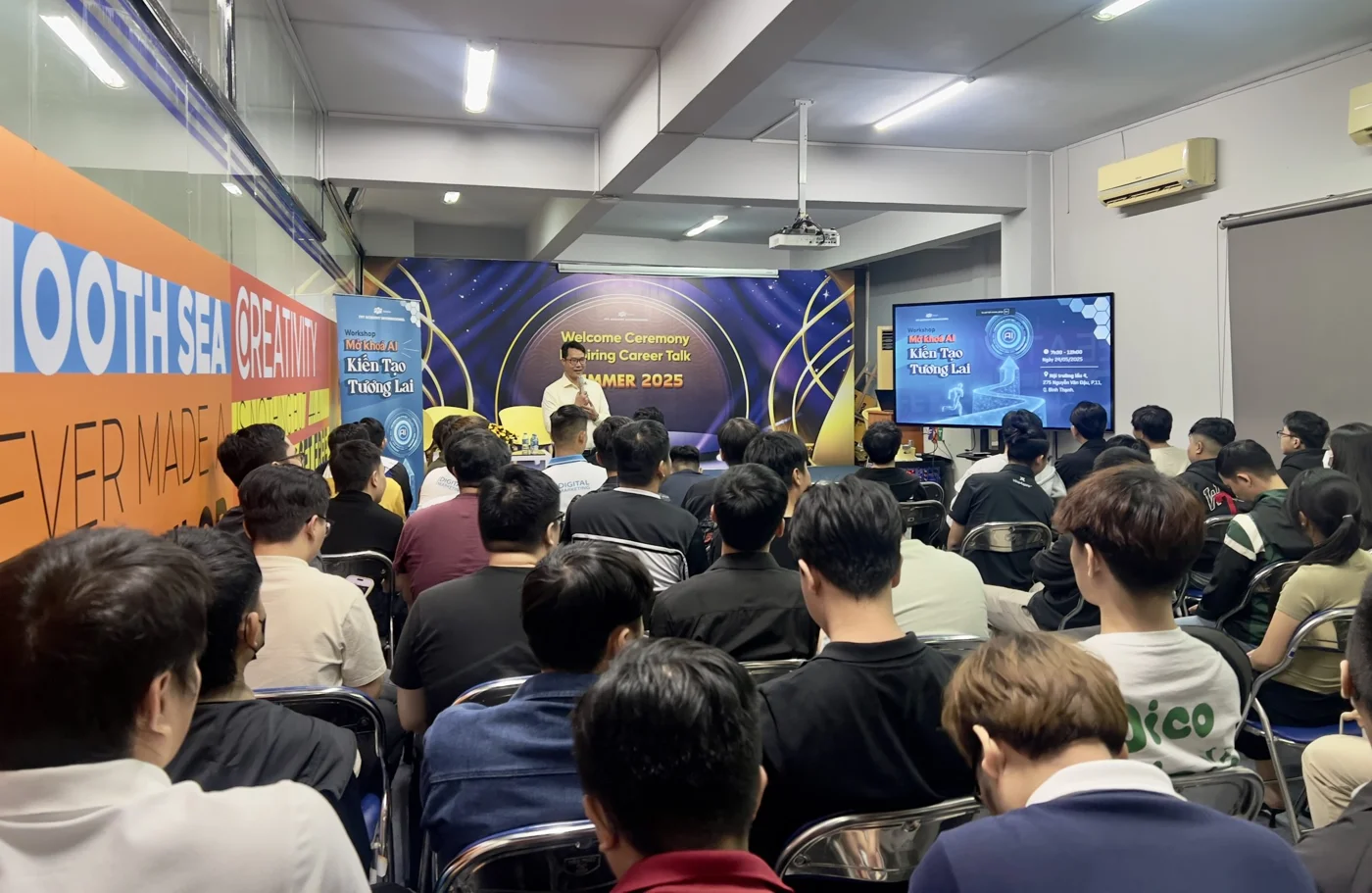
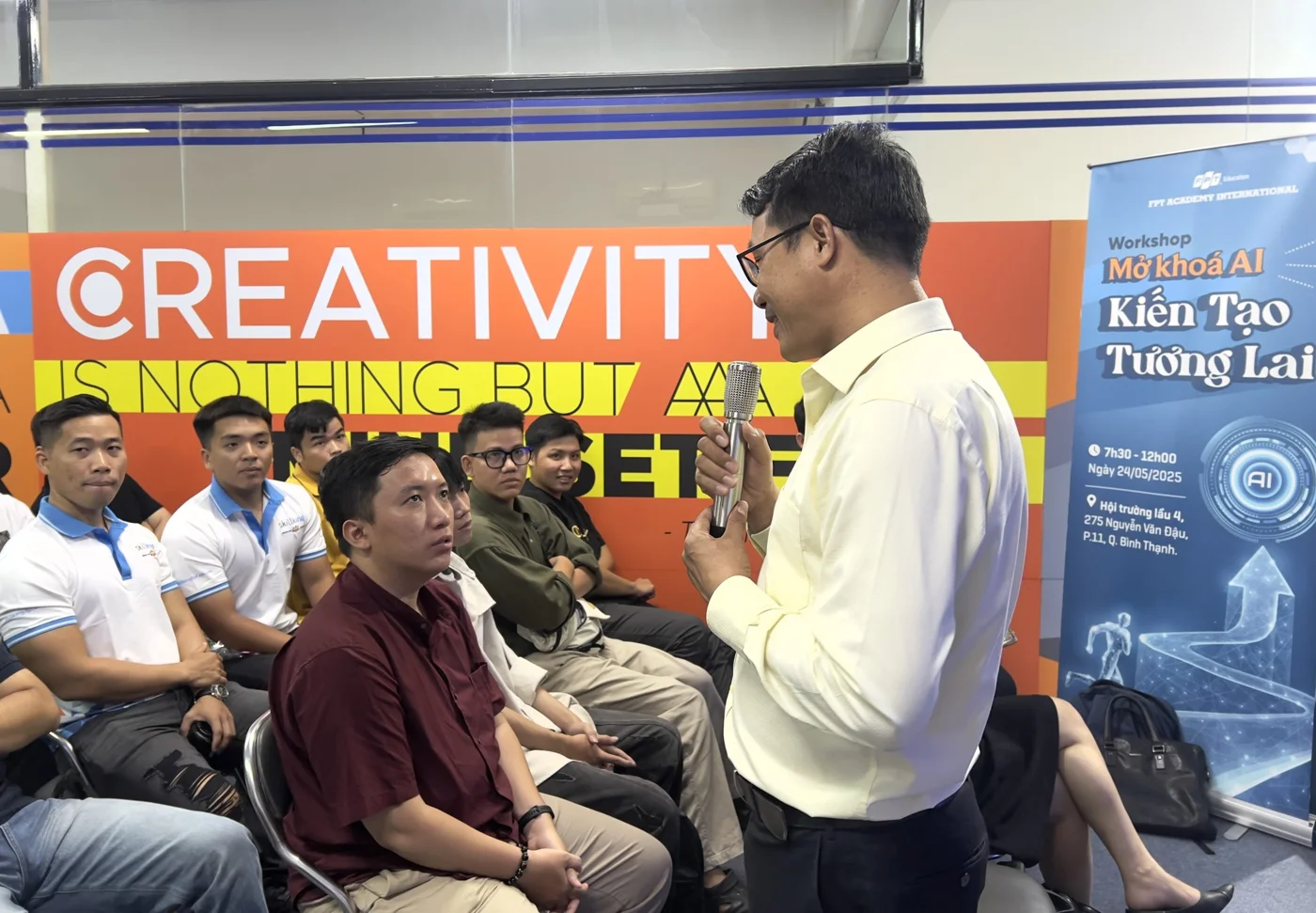
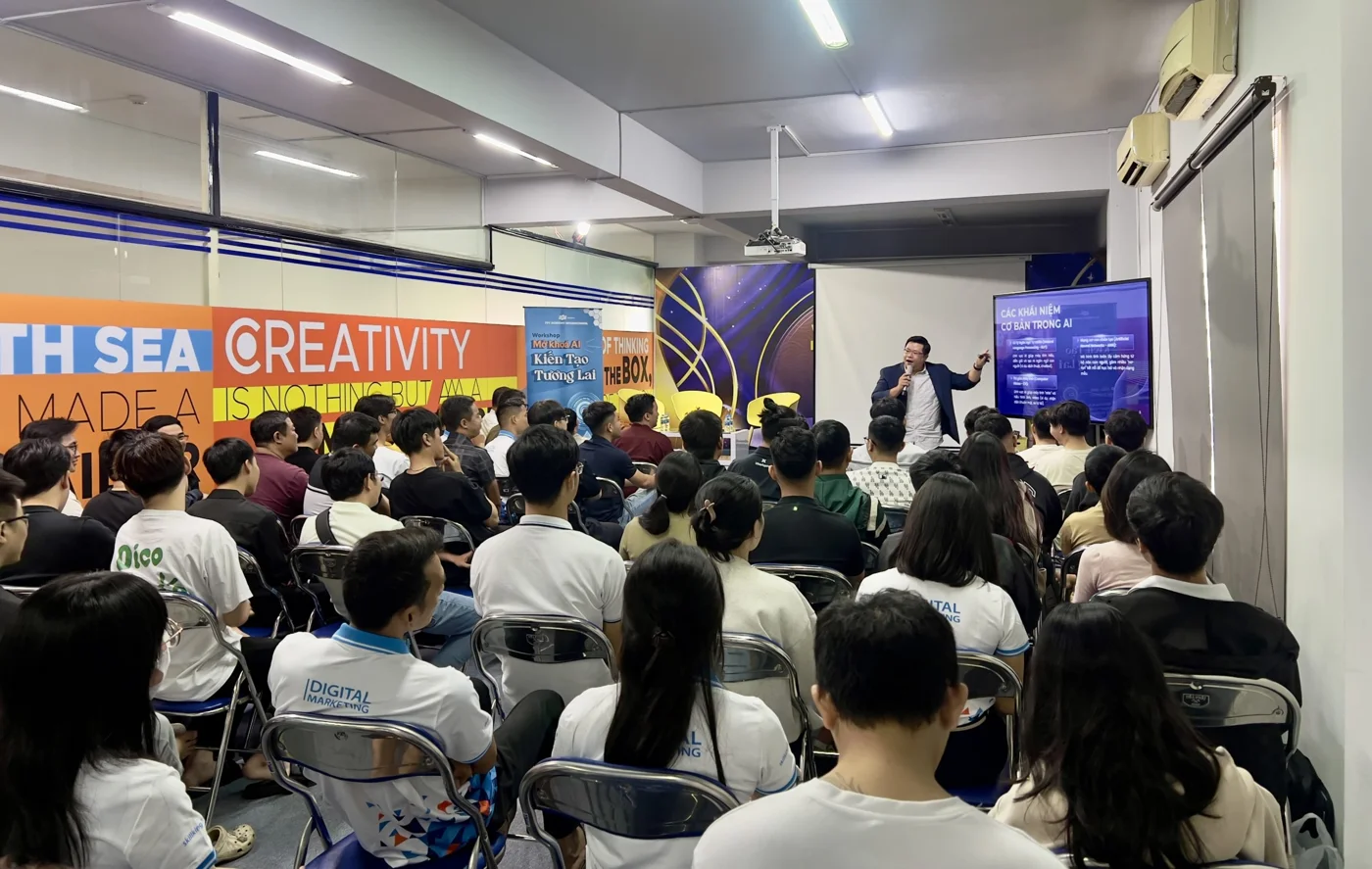
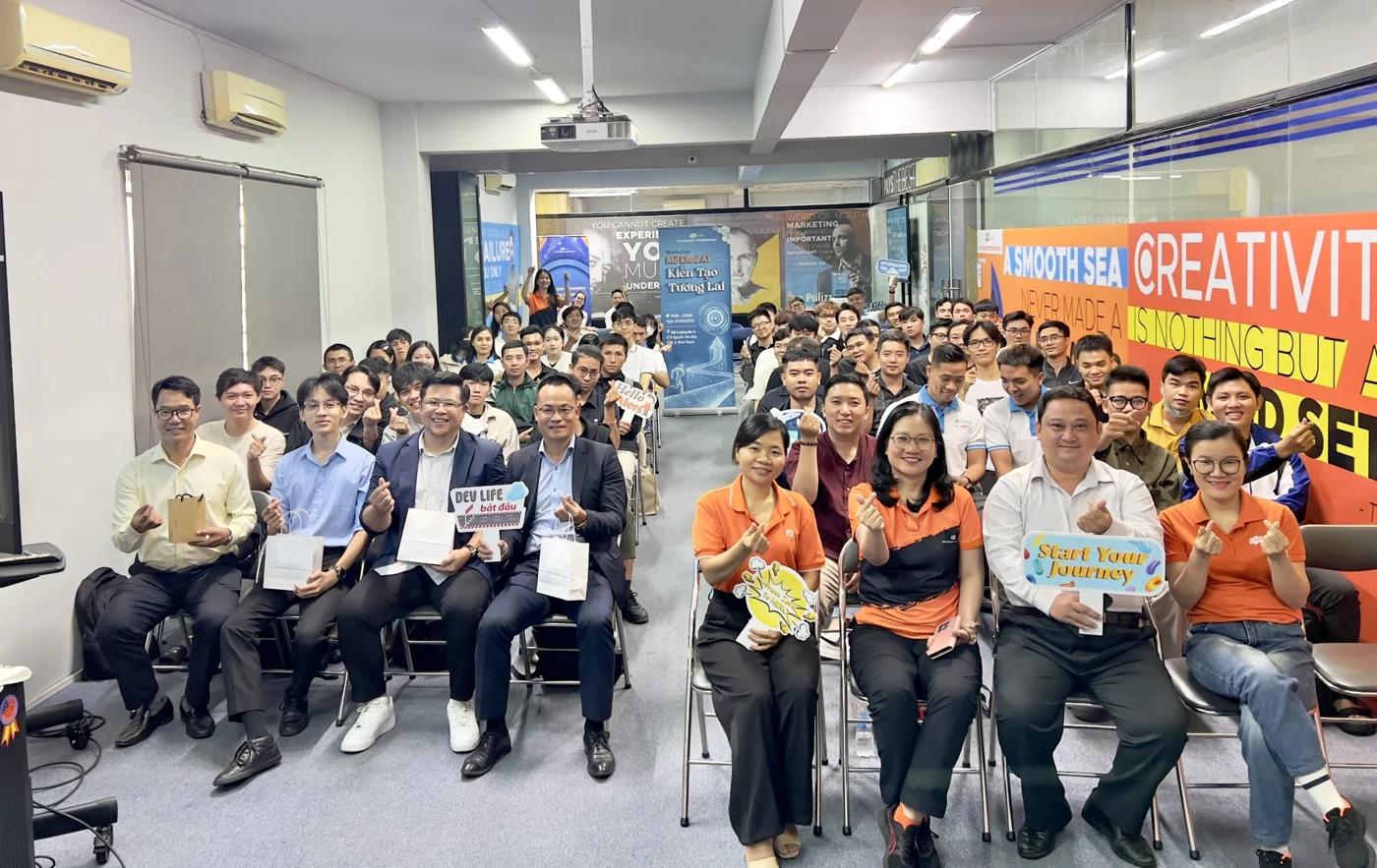
On May 24, 2025, FPT Aptech held the workshop “Unlocking AI – Creating the future” at Nguyen Van Dau campus, Ho Chi Minh City. Do Nguyen Minh Khoi, founder of MarArting Agency, joined as a speaker. The school's closing bulletin recorded exchanges between guests and students about learning, careers and responsibilities when using AI. From the theme of our meeting, we wanted to dive into something that was very close to the media person: how do we use an AI - generated draft to sign the final product?
Work starts before opening the tool
Let's do what seems like a very simple task: write an introduction to the opening date of a restaurant. If you just give the tool the name of the restaurant and ask it to be engaging, you'll have a fluent ad in seconds. But customers may not know when to book a table, which branch to hold, or what time the offer applies. Those gaps are coming from the input. The first thing to do is ask the restaurant manager for confirmation of the details that customers can use to make a decision.
Once you have the information, write a sentence describing the task to yourself. For example, after reading on the phone, an office worker near a bar might choose a meal time and text to make a reservation. That descriptive sentence helps the writer check the output very quickly. A half - page draft that talks about culinary inspirations but hides a reservation at the end will have to be revised. The AI can suggest multiple ways to write an introduction, and choosing which one to use depends on the actual action the reader needs to take.
Learn to Use Useful Examples
One of the ways to improve your draft is to include real details. Instead of saying your brand has a friendly tone, choose two phrases that your brand has used to respond to customers and explain why they work. For example, employees often ask guests how many people to take before advising on dishes. An introduction that starts with a group of friends picking a table will be more casual than a general statement about the quality of service. Small, well - founded details often help the reader visualize more quickly than an adjective paragraph.
In a class assignment, the student can hold on to the data and try two ways to delegate. First ask to write for everyone. Next time describe a specific user, when they read it and what they were wondering about. Place the two drafts side by side and underline sentences that are only in the second version. Which sentences clarify reservation conditions worth keeping. Sentence that adds an unconfirmed offer by itself must be dropped. This exercise can be done with any tool and will still be useful when the software changes.

Check the truth before correcting your tone
In an event trailer, the AI can either write the speaker's name correctly but assign them an old title, or splice photos from another show with a similar name. These mistakes are easy to get past when the group is focused on choosing good words. A simple editing step is to separate the collable data: name of the person, name of the unit, time, location, price and applicable conditions. Each fact must have a person or document as a basis before the content is posted.
It's also important to look back at what you put into the tool. A customer information sheet can contain phone numbers or notes about each individual, while the task of writing the article just needs to know how many people usually go in groups. The writer can synthesize common characteristics and use hypothetical situations. For images, record the source as soon as you select an image, distinguish a reference from an illustration, and ask the person in charge if the scope is unclear. These manipulations are part of the content creation process, no matter who wrote the original copy.
When a draft is converted to video
Let's say your restaurant introduction turns into a thirty - second video. Converting the text of the post to the text itself often makes the video too wordy. The builder needs to know what the viewer sees at the first second, at which scene the dish appears, and where for the reservation information. Try asking for two options: one open to the kitchen, one open to a table ready for the group. Then compare that with the footage that the team actually has on hand.
The most valuable step is sometimes just reading your lines out loud once. The sentences that sound neat on the screen can be too long to read between the music and the kitchen. Use a watch, jot down the passages you need to breathe, and replace difficult phrases with the words your counselor uses. If a piece of information is already visible on the image, the dialogue can make room to explain what the viewer hasn't seen. This is the part that requires the content creator to stand in the audience's shoes and revisit the experience from the ground up.
Prove that you have mastered the task
When putting an AI - powered product into the portfolio, learners can save three versions: the initial information, the draft, and the post-edited product. Choose a short paragraph and point out the most significant change. You may have dropped an unconfirmed delivery promise, clarified the scope of the offer, or replaced the illustration with a real photo of the dish. Your reader will see your career decisions, even if you're using the same tools and starting with the same assignment.
In the working group, these versions also helped the reviewers respond in place. Instead of generalizing that the post lacked emotion, the manager might ask why the last one omitted details about service hours. If the cause is unconfirmed by the store, the next step is clear: ask the right person, add an answer and then review. A good process will reduce the time it takes to go through multiple rounds because everyone sees the reason behind each change together, especially when multiple members are in charge of multiple channels.
What's left after class
From a MarArting perspective, a good practice post can start right away by reviewing a posted content. Choose a frequently asked question after reading, find additional facts, and try rewriting the relevant paragraph with AI assistance. Give the revision to someone who doesn't know the product and see if they can figure it out on their own. That little test connects tool learning to a very specific outcome: helping a person really understand what brands mean.
Original source: FPT Aptech, 27/05/2025.
View all press coverage