

There is no denying that Strategy Marketing plays an important role in shaping and promoting the development of enterprises. An effective marketing strategy not only enhances brand awareness but also creates a deep connection with customers, drives sales and provides sustainable benefits to the business.
Contents
The importance of choosing an effective marketing strategy
Optimize your resources
Strong branding
Increased competitiveness
Shaping Customer Behavior
Long-term and sustainable guarantee
Factors to consider when developing a marketing strategy
Business characteristics
Target Industries and Markets
Business objectives in Marketing strategy
The nature of the customer audience and the influence on marketing strategy
Budget and Resources of Marketing Strategies
Business characteristics

Scale of business
The size and size of the business plays a key role in determining the right marketing strategy.
This is one of the factors that determines what marketing methods you will use and how focused they will be.
Large businesses are likely to invest in traditional marketing campaigns. Such as television and magazine advertisements, as well as large - scale online campaigns.
Meanwhile, small businesses often focus on reaching local markets and using digital marketing means.
Influence of the size of the business on the choice of marketing strategy
Large businesses often have greater financial capacity to invest in large - scale advertising and media marketing.
They can create impressive campaigns with the participation of celebrities or produce high - quality videos.
However, large businesses can also have difficulty in creating interactions and building personal relationships with customers.
In contrast, small businesses can leverage their flexibility to create local marketing campaigns and deeper interactions with customers.
They have the ability to build a closer community and interact more personally with customers via social media and email.
However, they may also have difficulty competing with major competitors in large - scale advertising and marketing.
The flexibility of a large business compared to a small business
Large enterprises
Large investment resources: Large enterprises often have abundant financial and human resources to invest in large-scale marketing campaigns.
Extensive distribution network: The flexibility of the distribution network allows large enterprises to access a variety of markets and customers.
Brand and reputation: Large businesses often have better brands and reputations, which help build trust and attract customers' attention.
Difficulty in personal interaction: A large business may have difficulty in building personal relationships with customers due to its large scale.
Slow decision processes: Due to the complexity of the organizational structure, decision processes in large enterprises are often slower.
Small Business
Flexibility in decision making: Small businesses have the ability to make quick decisions and change strategies according to market needs.
Deep personal interaction: Smaller scale helps small businesses build deep personal relationships with customers.
Creativity and Breakthrough: Small businesses often have the flexibility to experiment and apply innovative marketing methods, helping them make a breakthrough in a competitive market.
Limited resources: Some small businesses have limited financial and human resources. It makes it difficult to conduct large - scale campaigns.
Target Industries and Markets

The success of your marketing strategy depends heavily on understanding the industry in which you operate and your target market. Both of these factors create the context and environment that you have to adapt to and develop the right strategy for. The importance of the target industry and market in choosing a marketing strategy:
Adjust based on trends
Product/service development
Quick response
The fierce competition
Quick changeover
Industry fit and marketing strategy
Understand industry characteristics: Each industry has unique factors such as business model, procurement cycles, competitive markets, and legal regulations. Mastering these characteristics will help you develop a more effective and targeted marketing strategy.
Shaping the right brand culture: The brand culture should reflect the core values of the industry and create a unique perception in the minds of customers.
Integrating Industry Trends and Changes: The right fit between industry and marketing strategy requires you to monitor and integrate these trends and changes into your marketing plan.
Create a compatible marketing campaign: You need to choose the appropriate marketing medium such as online advertising, television, newspapers. It may also be direct marketing depending on the business environment and consumer habits within the industry.
Market segmentation and understanding customer needs
Market segmentation requires you to identify and group customers based on factors such as age, gender, income, preferences, shopping behaviors, and geography.
Once you've segmented your market, you can focus on your target audience with high potential.
Understanding customer needs requires you to conduct surveys, analyze the market, and track shopping behavior.
From the information you gather, you can build a detailed customer profile. This includes information such as age, occupation, interests, attitudes, and goals in the purchase.
Create marketing strategies and communication messages.
Finally, learning about where your customers typically interact and finding information helps you choose the right marketing channels fit. Television, social media, email marketing, or direct advertising.
Business objectives in Marketing strategy

Increase sales volume
The goal of increasing sales represents a business' desire to achieve growth in revenue and profitability through the sale of a product or service.
In marketing strategy, this objective promotes the creation of marketing campaigns primarily to enhance advertising, optimize customer experience, and promotions to promote shopping.
Marketing activities can focus on generating interest, enhancing product value.
Create attractive promotions to stimulate shopping from current and potential customers.
Branding & Marketing
Branding is also a business goal. It sets out to build a unique image, value, and reputation for the business.
In marketing strategy, this goal shapes how you approach the market, interact with customers, and communicate your brand message.
Marketing activities that can focus on building consistent and creative communication campaigns that create a unique experience for customers
Build deep relationships based on brand values.
Expand promotion and reach new markets
Expanding business objectives to promote and reach new markets demonstrates the ability of the business to expand its scope of operations and reach new target markets.
In Marketing strategy, this goal promotes research and analysis of new markets
It creates marketing campaigns that are specific to each market
Can also develop appropriate marketing channels to reach customers in new markets.
Marketing activities can focus on building relationships and acknowledging interest from new customers.
Thereby expanding the influence of the business.
The nature of the customer audience and the influence on marketing strategy
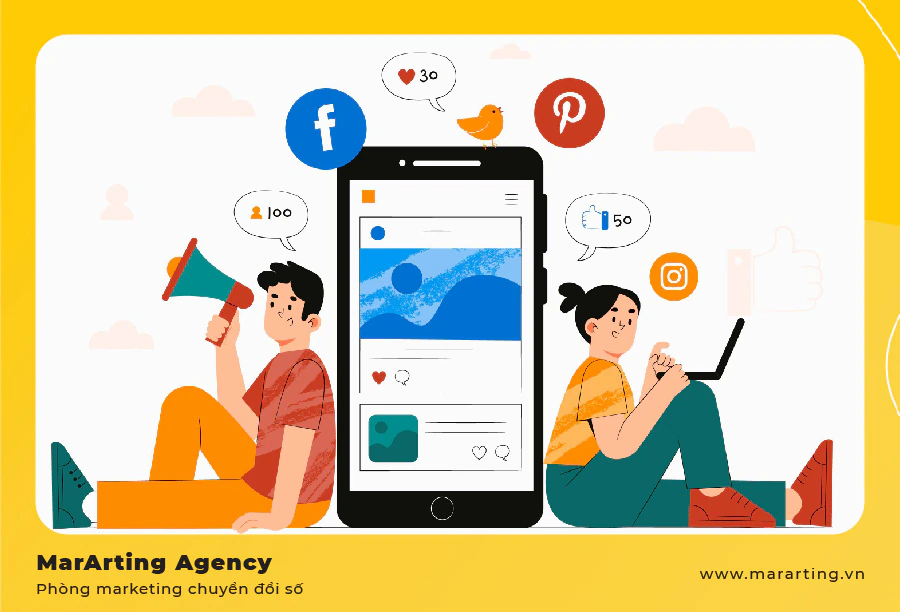
Understanding your customers' perceptions and shopping behaviors, how they interact with your products/services, and their online and offline habits will help you create tailored marketing campaigns and deep connections.
Here's how the nature of your audience affects your marketing strategy:
Cognitive characteristics and shopping behavior
Creating strongly pervasive marketing campaigns is indispensable for information about customers' perceptions and purchases.
You need to identify factors such as the importance of information, the information search channel, the purchase decision, and the process of understanding the product / service.
Understand shopping behaviors and interactions with products/services
Learn how customers interact with your products/services to help you create a better experience and create positive engagement marketing campaigns.
You can find out how they use the product, interact on online platforms, or interact through customer service.
Thereby optimizing the customer experience and building a long-term relationship.
Online and offline habits
Online Habits
Search for information: Customers often use search engines to find out about products, services, or solutions that they are interested in. Opportunity for you to optimize content on your website to appear in relevant search results. From there create brand identity and attract potential customers.
Social interaction: Customers often interact socially online through social networking platforms such as Facebook, Instagram, Twitter, and LinkedIn. You can share interesting content, interact with customers, and create an open communication environment that they appreciate.
Offline Routine
Direct shopping: Although online shopping is increasingly popular, many customers still prefer to shop directly at the store. Create attractive in - store marketing campaigns. Make sure that customers have a pleasant experience when they come to your store.
Event Attendance: Participating in offline events such as exhibitions, fairs, and meetings can provide an opportunity for face - to - face contact with customers. Use these events to showcase your products and share information about your brand. Thereby establishing personal relationships with customers.
Budget and Resources of Marketing Strategies
Assess your existing budget and resources
Before developing a marketing strategy, it is necessary to evaluate the budget and available resources of the business.
Determine how much money and resources you have available for marketing activities, including advertising costs, and content production costs. As well as human resources and time.
Establish a specific strategy implementation scope.
Also create marketing plans that match your business's financial capabilities and resources.
Determine the scope and ability to implement the strategy
The budget and resources of the business shape the scope and ability to implement a marketing strategy.
You need to clearly define your marketing goals and the specific activities you can do based on the resources available to you.
Create an actionable strategy and avoid resource overload or lack of resources.
Allocation of budgets for marketing activities
Budget is an important factor in determining the scope of marketing activities.
Through identifying specific investments for each marketing activity such as online ads, media ads, or exhibition events. You can optimize your budget allocation to ensure that you're using your resources effectively. From there to achieve business goals.
Translated from the Vietnamese original using VinAI Translate.