
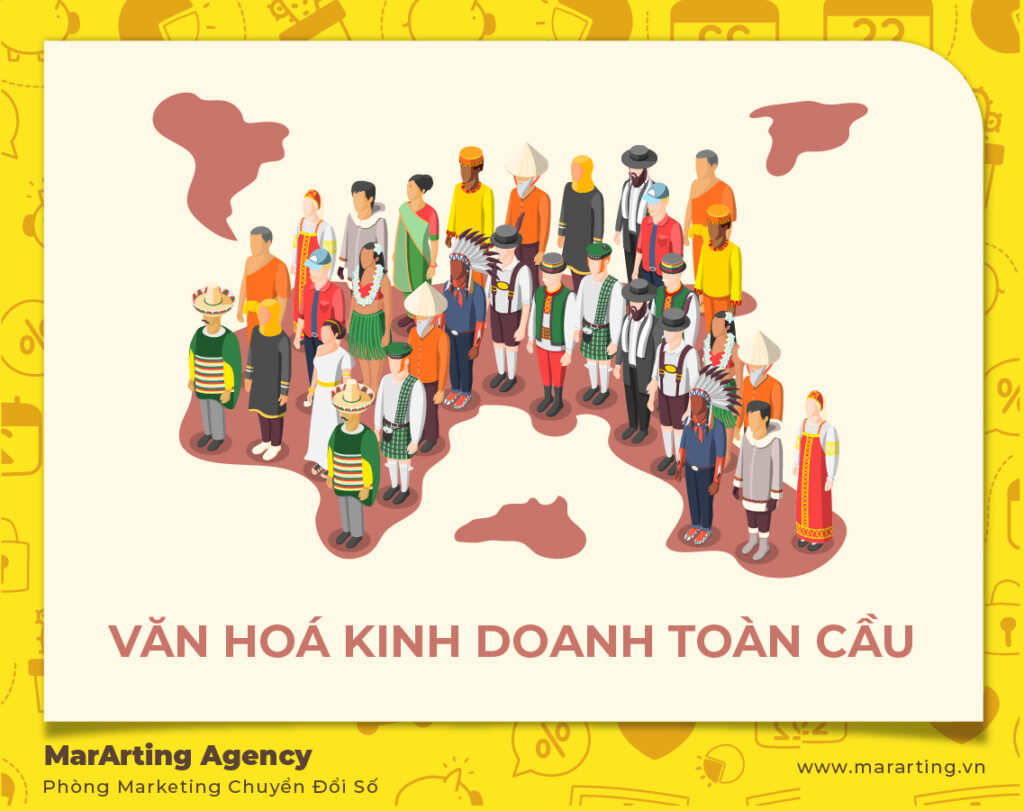
In the context of globalization, understanding and adapting to the business cultures of different countries and regions becomes a key factor to achieve success in international business. Business culture is not merely etiquette and custom, but also includes values, beliefs, and ways of communicating, which profoundly influence how businesses operate and make decisions.
Contents
The diversity and complexity of global business culture

Each country and region has its own cultural characteristics, which creates diversity and complexity in the global business environment. For example, American business culture values individuality, competition, and efficiency, while Japanese business culture values teamwork, respect for rank, and long - term relationships.
This cultural difference is evident in the way in which business relationships are communicated, negotiated, and built. Americans tended to communicate directly, clearly, and with a focus on the goals, while Japanese preferred indirect communication, with an emphasis on maintaining harmony and avoiding conflict.
The diversity and complexity of global business cultures can create major challenges for businesses operating in international markets. However, if you know how to leverage them, cultural differences can also offer tremendous opportunities. By understanding and adapting to the business culture of the target markets, businesses can build good relationships with partners and customers, thereby expanding markets and increasing revenue.
Challenges and opportunities in the face of cultural differences

Cultural differences can create major challenges for businesses operating in international markets. For example, not understanding a partner's business culture can lead to misunderstandings, conflicts, and even negotiation failures.
However, cultural differences also offer tremendous opportunities. By understanding and adapting to the business culture of the target markets, businesses can build good relationships with partners and customers, thereby expanding markets and increasing revenue.
Successful strategy in a multicultural business environment
In order to succeed in a multicultural business environment, businesses need to develop a comprehensive strategy, including:
- Study and learn about business culture: Before entering a new market, businesses need to thoroughly understand the business culture of the country or region. This includes learning about values, beliefs, customs, business etiquette, and ways of communicating.
- Recruitment and training of multicultural talents: A multicultural team will help you better understand your target market and adapt to the new business environment.
- Building strategic partnerships: Working with local partners can help you reach your market more quickly and efficiently.
- Respect and adapt to local culture: This shows respect for your partners and customers and helps your business build a positive image in the marketplace.
- Flexible and creative: In a multicultural business environment, businesses need to be flexible and creative to adapt to unexpected situations.
Lessons from Airbus: The example of successful cultural adaptation

Airbus, the world's leading aerospace conglomerate, has demonstrated outstanding cultural adaptability when entering various markets. In China, Airbus has established a research and development center to meet the specific needs of this market. In India, the airline has partnered with local partners to produce some parts of the aircraft.
Not only that, Airbus also offers cultural training to its employees, to help them better understand the business cultures of the countries in which it operates. As a result, Airbus has built good relationships with partners and customers worldwide, contributing to its success in the international market.
Airbus, one of the world's leading aerospace corporations, has demonstrated outstanding cultural adaptability when entering different markets.
- In China: Airbus has established a research and development (R&D) center in China. Not only did this help Airbus get closer to its customers, understanding their needs and tastes, but it also demonstrated Airbus' respect and long - term commitment to the Chinese market. They also do not hesitate to cooperate with local partners, taking part in Chinese aviation infrastructure development projects.
- In India: Airbus has partnered with local partners to produce some parts of the aircraft, demonstrating flexibility and adaptability to the production and business environments.
- Cultural training program: Airbus also offers cultural training to its employees, to help them better understand the business cultures of the countries in which it operates.
Thanks to these efforts, Airbus has built up good relationships with partners and customers around the world, contributing to its success in the international market. Airbus has proven that understanding and respecting local business culture is not only a necessary factor for successful business abroad but also a way to build a strong and sustainable global brand.
End of story
In the era of globalization, understanding and adapting to the global business culture is no longer an option but a mandatory requirement for businesses who want to reach the big sea. By investing in understanding and adapting to the business culture of the target markets, businesses can open up new opportunities, growth and sustainable development in the international arena.
Translated from the Vietnamese original using VinAI Translate.
Airbus · Ấn Độ · chiến lược toàn cầu · cung ứng · đàm phán quốc tế · đối tác chiến lược · giao tiếp đa văn hóa · Kinh doanh toàn cầu · mở rộng thị trường · nghi thức kinh doanh · quản lý đa văn hóa. · sản xuất · thị trường quốc tế · toàn cầu hóa · Trung Quốc · văn hóa kinh doanh