

Airbus, one of the leading names in the aerospace industry, has proven the power of its global business strategy through impressive market expansion. Airbus' success comes not only from its superior product quality but also from its smart and efficient approach to the international market.
Contents
1. Global Production and Supply Network: Optimize Efficiency and Minimize Risk
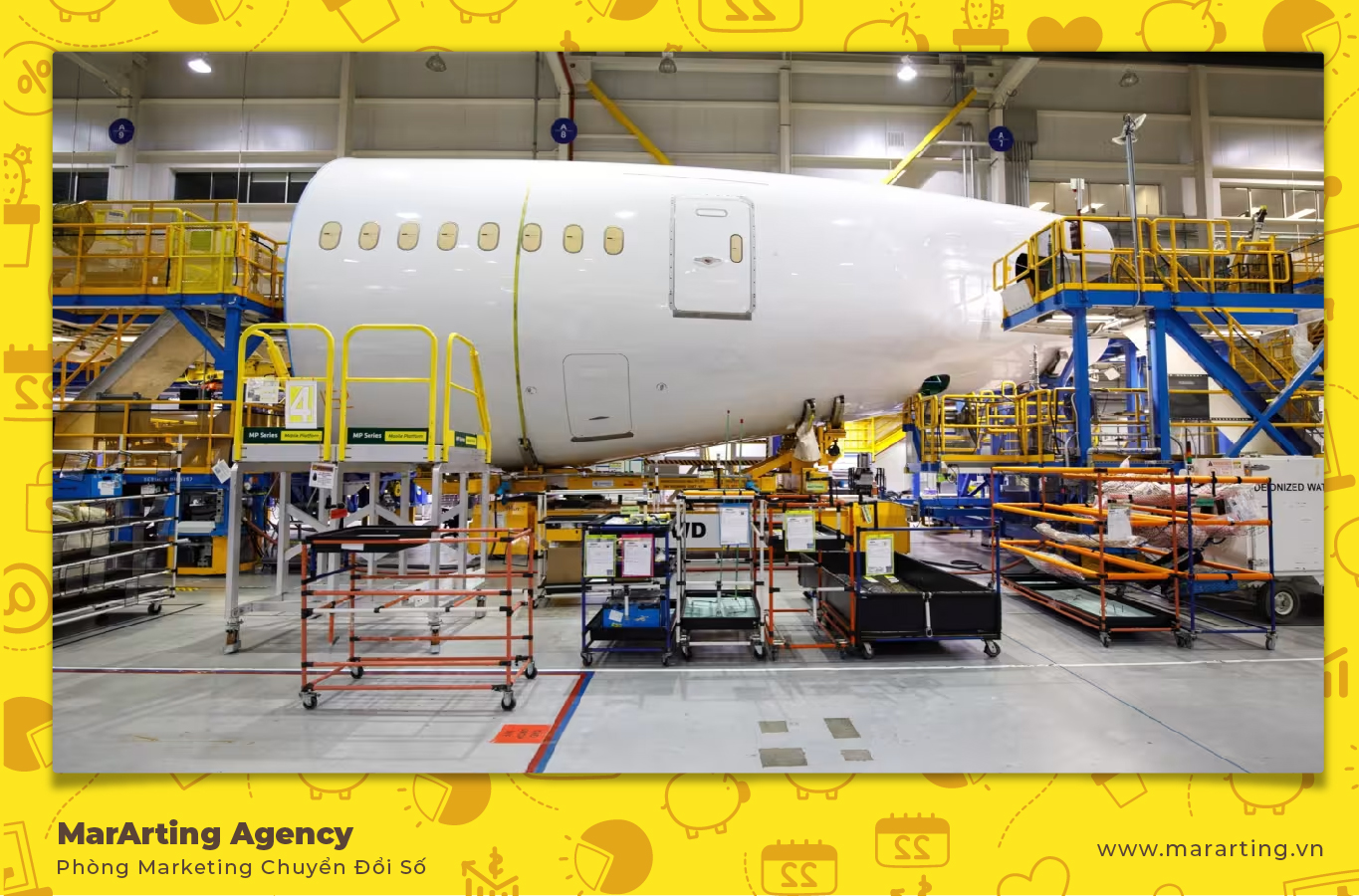
Airbus has built an extensive global production and supply network, spanning many countries in Europe, Asia and the Americas. This allows Airbus to take advantage of labor costs, raw materials and taxes in different countries, while ensuring stable supply for customers worldwide.
The diversification of production sites also helps Airbus to reduce risks from geopolitical uncertainties or natural disasters, ensuring uninterrupted business operations.
2. Strategic Partnership: Cooperate for mutual development
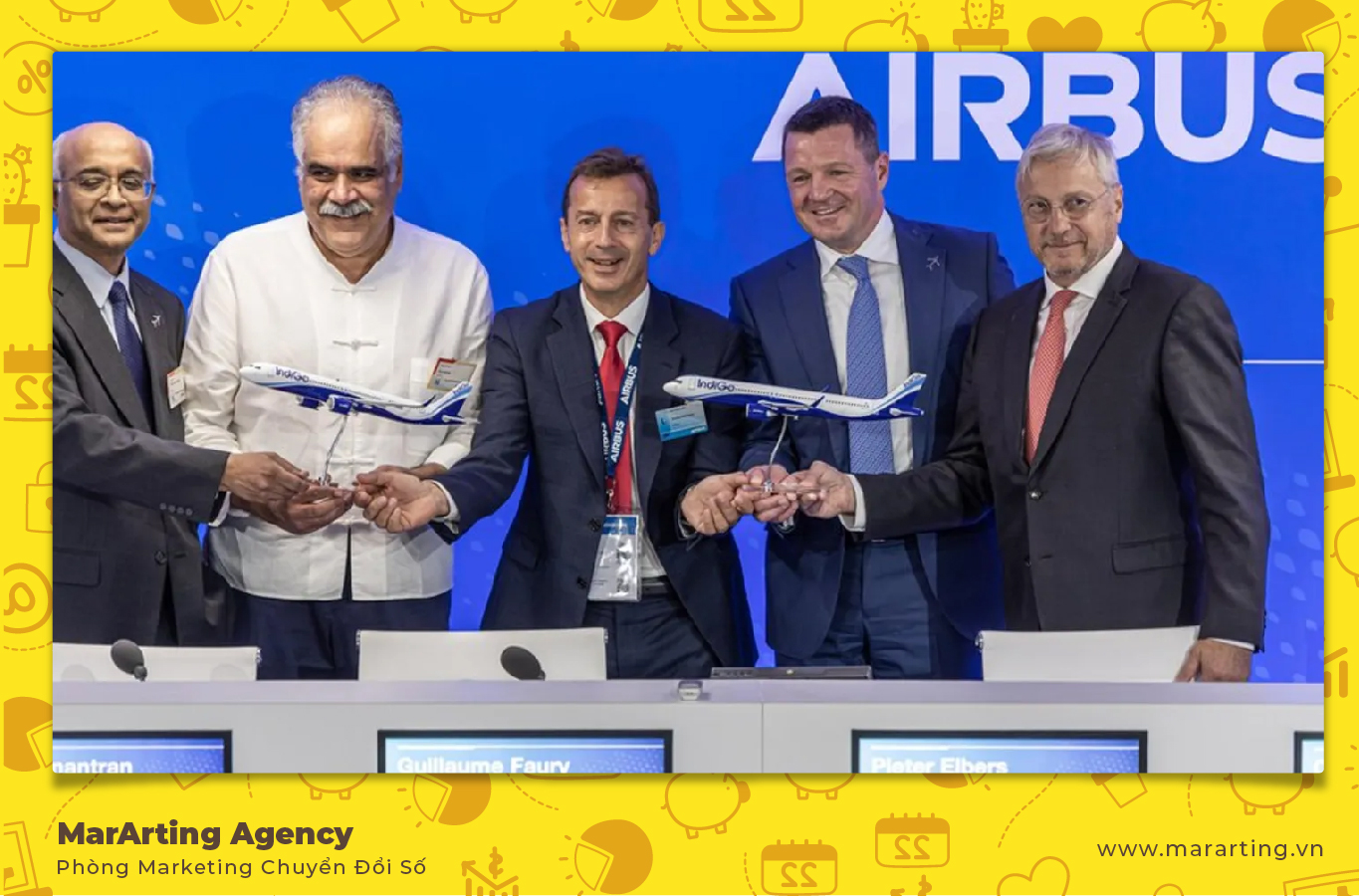
Airbus has not only focused on selling its products, but has also built strategic partnerships with airlines and governments in many countries. For example, Airbus partnered with China Eastern Airlines Corporation to supply the A330, meeting the growing demand of the Chinese market.
Cooperation with local partners helps Airbus better understand its customers' markets, cultures and needs, and adapt its products and services accordingly.
3. Adapting to the local business culture: The key to success

To be successful in global business, it is important to understand and adapt to the business culture of each target market. Each country and region has its own cultural characteristics that influence how businesses, communication, and decision - making are conducted.
A good example of successful cultural adaptation is Airbus in China. Recognizing the enormous potential of this market, Airbus has established a research and development (R&D) center right in China. Not only did this help Airbus get closer to its customers, understanding their needs and tastes, but it also demonstrated Airbus' respect and long - term commitment to the Chinese market.
In addition, Airbus actively cooperates with local partners, taking part in Chinese aviation infrastructure development projects. This helped Airbus build strong relationships with the Chinese government and businesses, facilitating its business.
4. Leveraging Technology and E-Commerce: An Essential Trend
In the digital age, technology and e-commerce have become indispensable tools for businesses to expand their markets and reach global customers. Airbus has made the most of the power of technology to improve operational efficiency and strengthen its presence in the international market.
One of the best - known examples is Airbus' use of online platforms to market and sell its products. Through its website and social media channels, Airbus is able to reach millions of potential customers worldwide, presenting its products and services in a lively and intuitive manner.
In addition, Airbus has developed mobile apps that allow customers to look up flight information, book tickets and manage their journeys with ease. This not only brings convenience to customers, but also helps Airbus collect valuable data about their behavior and needs, thereby improving products and services.
Lessons learned for other businesses
From the success of Airbus, other businesses can draw valuable lessons from expanding international markets:
- Build a clear global strategy: Determine your goals, target markets, and how you will enter them in detail.
- Thorough market research: Understand the needs, tastes and cultural characteristics of customers in different markets.
- Looking for strategic partners: Collaborate with local partners to leverage their knowledge and experience.
- Adapt to local business culture: Respect and adapt to the business culture of each country.
- Leveraging technology: Use technology to improve operational efficiency, reduce costs and enhance customer experience.
Conclusion
Airbus' strategy to expand its international markets is a success story worth learning. By building a global manufacturing and supply network, establishing strategic partners, adapting to local cultures and leveraging technology, Airbus has affirmed its leadership in the aerospace industry.
Other businesses can take lessons from Airbus to build an effective global business strategy, overcome challenges and take advantage of opportunities on the international stage.
Translated from the Vietnamese original using VinAI Translate.
Airbus · Ấn Độ · Châu Phi · chiến lược toàn cầu · công nghệ · cung ứng · đối tác chiến lược · Đông Nam Á · Kinh doanh toàn cầu · mở rộng thị trường · sản xuất · thị trường quốc tế · thích ứng văn hóa. · Thương mại điện tử · toàn cầu hóa · Trung Quốc