

Strategic planning is an important process that helps businesses navigate and achieve long - term goals. However, this process is not always smooth and can come with many potential pitfalls. This article will delve into the pitfalls often encountered in the implementation of strategic planning, and offer solutions to overcome, help businesses avoid unfortunate mistakes and achieve success.
Contents
1. Lack of Participation of Related Parties

One of the most common pitfalls is that strategic planning is done by only a small group, usually senior leadership. This leads to the fact that the plan may not fully reflect the opinions and views of other stakeholders such as employees, customers, partners.
Consequences:
- The plan lacks practicality, inconsistent with the actual situation and needs of the business.
- Employees lack cohesion and are not motivated to implement plans.
- Customers and partners do n't feel heard and respected.
Solution:
- Facilitate stakeholder engagement through discussions, surveys, or the creation of co-working groups.
- Listen to and absorb feedback from all sides to develop a comprehensive and workable plan.
- Communicate a clear strategic plan for the entire organization to create consensus and commitment.
2. Lack of Board Commitment
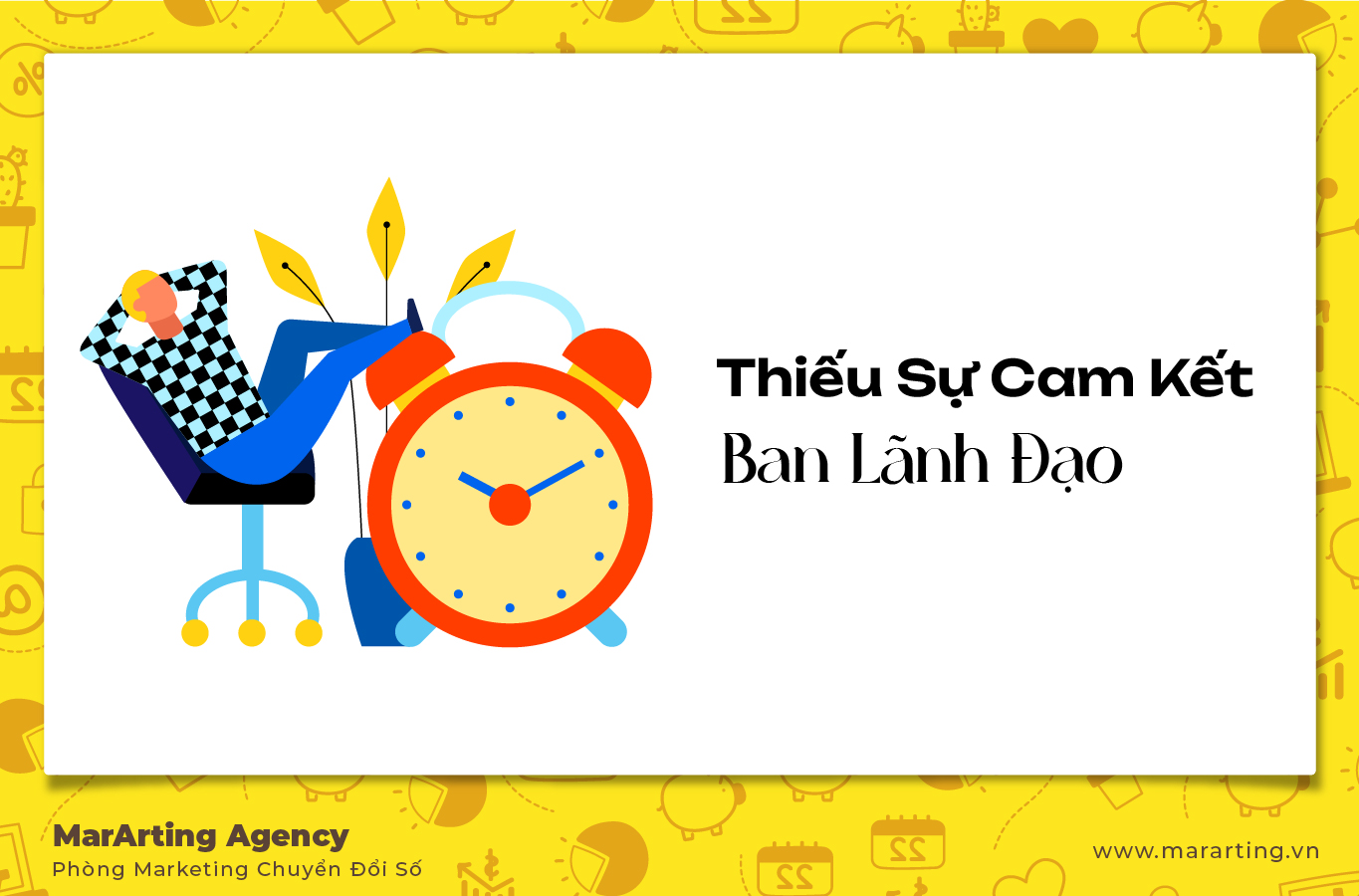
The commitment of the leadership is key to ensuring the strategic plan is implemented successfully. If the leadership does n't really trust and support the plan, implementation will be difficult.
Consequences:
- Employees lose faith in the plan and make no effort to implement it.
- Resources are not sufficiently and efficiently allocated.
- Plans are not monitored and evaluated regularly, resulting in the inability to detect and remedy problems that arise.
Solution:
- Leaders should show strong commitment by taking specific actions such as allocating resources, participating in the implementation process, and regularly monitoring progress.
- Communicate clearly about the importance of the strategic plan and the role of each member in its implementation.
- Creating a working environment that encourages employee initiative and responsibility.
3. Lack of Flexibility
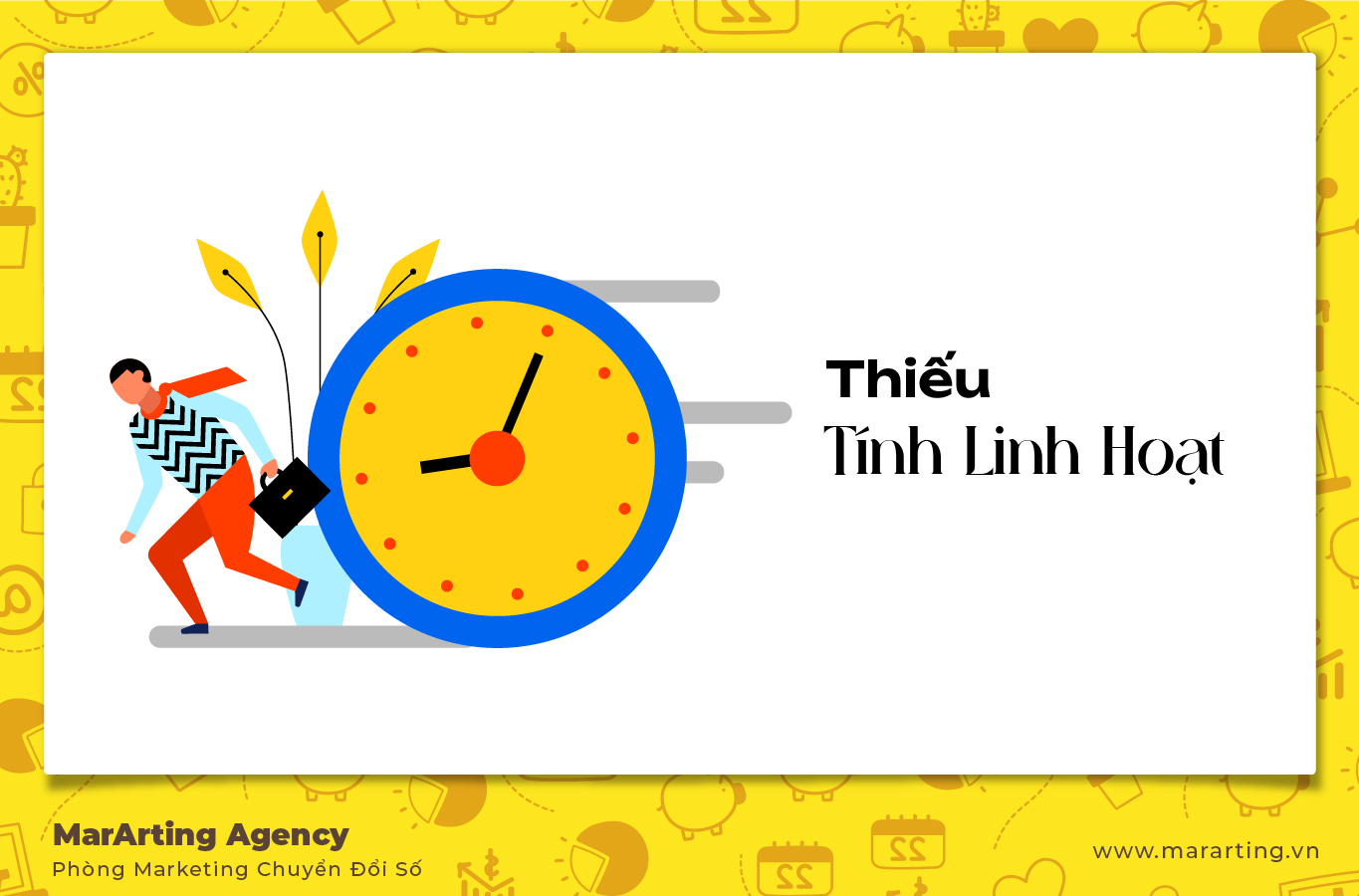
An overly rigid strategic plan that can not adapt to changes in the business environment will quickly become obsolete and no longer be effective.
Consequences:
- Businesses miss out on new opportunities due to the inability to change plans in time.
- Unable to cope with unexpected challenges from the market.
- The plan became obsolete and no longer fit the reality.
Solution:
- Develop a strategic plan with a long - term vision but still ensure flexibility.
- Regularly evaluate and update plans based on the latest information about the market and competitors.
- Have contingency scenarios ready to deal with unexpected situations.
4. Lack of Effective Measurement System

Without a clear measurement system of effectiveness, it is impossible for businesses to assess whether their strategic plan is on track and what adjustments need to be made.
Consequences:
- It is impossible to determine the successes and failures of the plan.
- It is impossible to measure the effectiveness of the activities performed.
- Unable to make timely adjustment decisions.
Solution:
- Establish a clear and specific system of performance indicators (KPIs).
- Regularly collect and analyze data to evaluate the effectiveness of the plan.
- Use data analysis tools to gain insight into the effectiveness of your strategy.
5. Lack of Communication and Communication

Inefficient communication and communication can lead to employees not having a clear understanding of the strategic plan and their role in its implementation.
Consequences:
- Employees are not motivated and do not know how to contribute to the implementation of the plan.
- The parts do not coordinate well with each other, resulting in delays and waste.
- The plan was not implemented in a synchronous and efficient manner.
Solution:
- Communicate clearly and regularly about strategic plans for the entire organization.
- Organize training sessions and workshops to help employees better understand their plans and roles.
- Creating an open working environment, encouraging the exchange and sharing of information between departments.
Conclusion
The implementation of strategic planning is not an easy task and can encounter many pitfalls. However, by recognizing and overcoming these pitfalls, businesses can build and implement an effective strategic plan, thereby achieving sustainable success in a competitive business environment.
Translated from the Vietnamese original using VinAI Translate.
cạm bẫy chiến lược · khắc phục cạm bẫy chiến lược. · Lập kế hoạch chiến lược · quản trị chiến lược · rủi ro chiến lược · thất bại chiến lược