
Content Marketing multimedia is the creation of Variety of content in various forms such as text, images, audio, video, infographic, podcast, live and new technologies such as VR and AR. The goal is to create a multi-dimensional and intuitive interactive experience to engage and impress customers.
Contents
Content Marketing and Benefits for Business
Content Marketing is a strategy to create and share valuable content to attract, engage and influence your goals. For businesses, Content Marketing has many important benefits:
Creating Brand Recognition: Content Marketing helps build and strengthen the brand of the business by sharing messages, values and guidelines through content.
Increase Interaction and Engagement: Engaging and valuable content captures customer attention, creating multi-dimensional interaction and engagement.
Shareability: Quality content is often widely shared on social media and other online platforms, which increases your business' ability to spread the message.
Credibility and Proficiency: Quality content helps build credibility and demonstrate the proficiency of the business in its field.
Long-Term Links: Content Marketing helps create long-term links with customers by providing ongoing value through content.
What is Content Marketing Multimedia?

When it comes to Content Marketing multimedia is the creation of content that is diverse in different forms such as text, images, audio, video, infographics, podcasts, live, and new technologies such as VR and AR. The goal is to create a multi-dimensional and intuitive interactive experience to engage and impress customers.
The Importance of Multimedia Content Marketing
Multiple Experiences: Multimedia content marketing allows businesses to create a diverse experience for customers through different types of content, interacting with different senses.
Deeper Interaction: Multimedia content creates deeper and more interesting interaction, which helps create strong interaction with customers.
Strong Connectivity: Multimedia content creates a stronger connection with customers by presenting information visually and vividly.
Modern: Using new forms of content such as videos, VR, AR, and podcasts helps businesses look modern and meet new consumer trends.
Optimizing Customer Experience: Multimedia Content Marketing optimizes the customer experience by allowing them to access information easily and in their preferred style.
Visual Image in Multimedia Content Marketing

An integral part of multimedia Content Marketing, helping to create strong connections and visually express messages. Creativity in the use of images can bring many important benefits:
Strong Impression: Impressive and unique images have the ability to make a strong impression at first sight. The content will stand out in the crowd and stay in the audience's minds.
Instant Messaging: A well-placed image can communicate a message more quickly and effectively than long text.
Product and Service Illustration: Images help to illustrate your product or service in detail. Allow consumers to see more clearly about their use, features and benefits.
Emotional and Interactive: Images can create strong emotions and stimulate interaction from the audience. An image can evoke memories, emotions or fantasies, creating a personal connection between the viewer and the brand
Multiple Platforms Compatible: Photos can be easily shared on social networks, websites, email, and other platforms. Increase your chances of spreading the message and interacting.
Text Content Support: Images can be used to support and illustrate text content. This will make it easier for your reader to understand the information you want to convey.
Video attraction in Multimedia Content Marketing

The most important and compelling component of a multimedia content marketing strategy. The ability to combine audio, images, and even text makes video a powerful tool to tell stories, communicate messages, and make connections with your audience.
The Importance of Video in Content Marketing
Create Visual Experiences: Videos provide a visual experience for viewers, helping them better understand the product, service, or information you want to share.
Multi-Dimensional Combination: The ability to combine images, audio and text helps videos convey messages in a multi-dimensional way, creating emotions and stimulating interaction.
Create Personal Connection: Videos allow you to show the face and tone of a brand or representative, creating an environment that connects personally with your audience.
Make a Strong Impression: Videos make a strong impression and can be captured in the minds of viewers, keeping your message from being forgotten.
Interaction and Sharing: Videos are often more interactive and shared on social media, helping to spread the message widely.
Complex Interpretation: Videos can be used to explain complex concepts in an easy and fun way through animations, graphics, and voice acting.
Types of videos attracted
Introduce: Introduce a brand, product, or service in an overview and interesting way.
Instructions: Instructions for using the product, working or performing a specific job.
Interviews: Interview experts, clients, or important people related to your industry or sector.
Event: Record brand events, seminars or exhibitions to share with online audiences.
Information: Share information, news or professional knowledge via video.
Advertising: Create visual ads to grab the attention of the audience and drive action.
Creating Drama: Use a script and plot to create a storytelling, intriguing, and engaging video.
Vivid Sound in Multimedia Content Marketing

A key element of your multimedia content marketing strategy, it allows you to create unique music, voice, and sound effects experiences to engage with your audience.
The Importance of Sound in Content Marketing
Emotional Space: Sound has the ability to create a powerful emotional space, from soft music to dramatic sound effects, helping to create a unique experience for listeners.
Personal Connection: Voice and music have the ability to create personal connections, helping audiences feel they are interacting with a real human being.
Deep Impressions: Sounds can make a deep impression on the listener's mind, making it feel like they are engaged in a real - life experience.
Special: Unique and quality sound can help your content stand out and differentiate it from your competitors.
Interactive Effects: Sound effects can be used to create interactions, from mouse clicks to sounds when interacting with a product or application.
Audio formats
Soft Music: Uses soft and sensitive music to create emotional space, often used in introductory or emotional videos.
Sound Effects: Use sound effects to create unique experiences, from echoes to laughter or environmental sounds.
Voice: Use your voice to present information, guide, or communicate your message. The voice of a brand representative can make a strong connection.
Podcast: A podcast is a longer form of audio that allows you to present and discuss specific topics, creating a deep connection with your listeners.
Video Background Music: Uses background music in videos to create emotion and increase the interactivity of the content.
Dynamic Graphics in Multimedia Content Marketing

An element that creates movement and visual in multimedia Content Marketing. Using dynamic graphics helps you communicate your message in a more vivid and interesting way through animations, graphs, and animated effects.
The Importance of Dynamic Graphics in Content Marketing
Visually Explain Complexity: Dynamic graphics are capable of explaining complex concepts more visually and easily by using animation. Or motion charts or process illustrations.
Movement: Dynamic graphics help create movement and vividness for your content, grab your audience's attention, and create interaction.
Exciting Experience: The combination of animation, effects and sound creates an exciting and unique experience for viewers.
Digital Effects: Dynamic graphics can create digital effects such as light effects, fast motion, or smooth transitions.
Strong Impressions: Use dynamic graphics to make a strong impression and stick in the minds of your audience, keeping your message from being forgotten.
Dynamic Graphics Types
Animated Images (GIFs): Animated images are repeating images to create simple and interesting motion effects.
Dynamic Charting: Using dynamic charting to present data, statistics, or processes that change over time.
Dynamic Introduction Video: Create an introduction video with animations and effects to convey a message in a unique way.
Special Effects: Use special effects such as lighting effects, smooth transitions or flying objects to create attention and impression.
Dynamic 3D Images: Create dynamic 3D images to create exciting and interactive experiences with the audience.
Infographics in Multimedia Content Marketing

Powerful tool in multimedia Content Marketing. It helps to present information in an intuitive and understandable way through the combination of images, charts, and short text.
The Importance of Infographics in Content Marketing
Summary Info Display: Infographics help to present complex information in a concise and easy to understand way. Help viewers grasp the main point without reading through multiple texts.
Quick Impression: Infographics have the ability to make a strong impression at first sight, attract the attention of viewers and create interaction.
Figure Illustration: Use charts, graphs, and images to illustrate data, statistics, or processes that change over time.
Combine Multiple Information: Infographics allow you to combine multiple types of information such as text, images, figures, and charts into one picture.
Ease of Spread: Infographics are often widely shared on social networks and websites, helping to spread your message effectively.
How to Create Attractive Infographics
Choose an Engaging Topic: Choose a topic that your audience is interested in and would like to learn more about.
Information Collection: Find and collect necessary information from trusted sources.
Build a Logic Structure: Determine the logical structure of your infographic, starting from the main point and sorting out sub-information.
Attractive Design: Use harmonious colors, easy-to-read charts, and attractive images to create attractive designs for infographics.
Short Text: Use concise, meaningful, and easy-to-understand text to communicate a message.
Rational Arrangement: Arrange elements in the infographic so that viewers can follow the logic and information easily.
Testing and Evaluation: Thoroughly check metrics, spelling, and effects before publishing infographics.
Podcasts in Content Marketing Multimedia

Multimedia audio content type, allowing listeners to follow and download radio episodes on various topics. Podcasts help create a convenient experience of listening to information, discussing, and learning.
The Importance of Podcasting in Content Marketing
Convenience for the listener: Podcasts allow listeners to consume content on the go, at work, or even while performing other activities.
Personal Connection: The voice in a podcast is able to create a personal connection with the listener, making it feel like they are chatting with a friend.
Create a Varied Experience: Podcasts can present information, discuss, interview experts, and even perform art, creating a varied experience for listeners.
Flexible Times: Podcasts have flexible durations, allowing you to create shorter or longer content depending on the topic and goal.
Personal Branding: Podcasts help you build your personal or business brand through voice and content quality.
Podcast Types
Talk Show Podcast: Podcasts that discuss professional, cultural, social, or everyday life topics.
Expert Interviews: Share knowledge and experience from industry experts.
Exciting Stories: Tell stories, jokes, or personal experiences that are interesting to the listener.
Performance Instructions: Instructions for working, cooking, using products or performing specific activities.
Book, Movie, Product Discussion: Present opinions and reviews about books, movies, products, or services.
Popular Podcast Channels
Apple Podcasts: A popular podcast platform on Apple devices.
Spotify: The music streaming service also offers a podcast platform.
Google Podcasts: Platform dedicated to podcasts from Google.
Stitcher: A podcast app with integrated news content.
SoundCloud: A music and podcast sharing service.
Live (Live streaming)
It broadcasts live video and audio content online, allowing viewers to engage and interact instantly through commenting, asking questions, and joining live chat.
The Importance of Live Streaming in Content Marketing
Real Time Interaction: Live Streaming helps create real-time interaction with audiences, allowing them to ask questions and send feedback instantly.
Nearby Connection: Live Streaming creates a sense of closer connection with viewers when they can see you or participants chatting live.
Demonstrate Proficiency: Directly allows you to present and share knowledge, demonstrating proficiency in your field.
Modern: The popularity of Live Streaming helps your brand look modern and interact with the latest online trends.
Popular Live streaming platforms
Facebook Live: Allows you to broadcast live on your Facebook profile or business page.
Instagram Live: Allows you to broadcast live on Instagram and interact with followers.
YouTube Live: Allows you to broadcast live on your YouTube channel and interact with the community.
Twitch: Platform that specializes in live streaming with a focus on video games and related content.
LinkedIn Live: Allows you to broadcast live on the LinkedIn social network, creating professional connections.
Twitter Live: Allows you to broadcast live on Twitter and interact with followers.
Tiktok Live: The most powerful livestreaming platform today.
VR and AR (Virtual Reality and Augmented Reality)
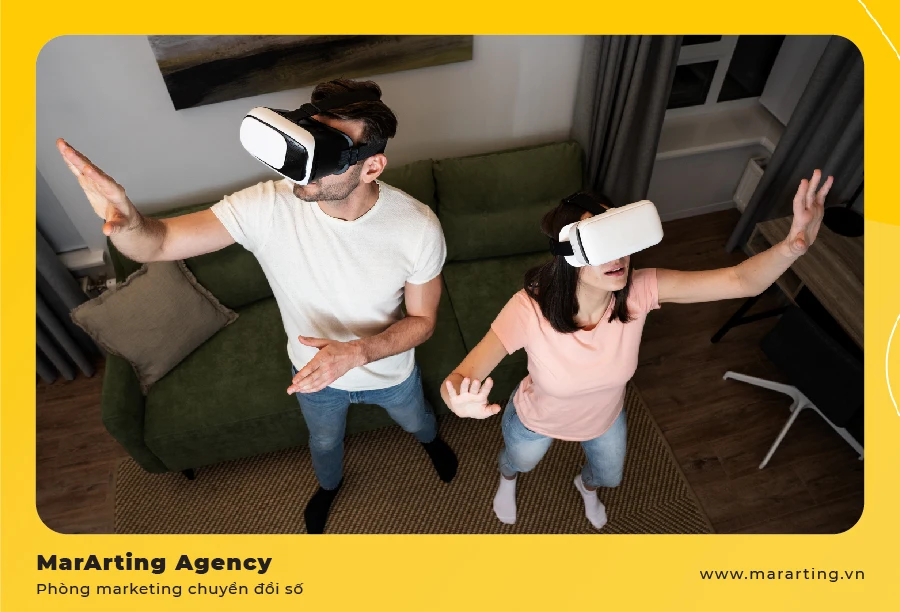
These are two advanced multimedia technologies, allowing users to experience interactive content and virtual reality or augmented reality information by combining the real world with the virtual world.
Virtual Reality: VR creates a fully virtual environment, bringing users into an imaginary world that they can interact with and experience.
Augmented Reality: AR combines information and virtual images into the real world, allowing users to see the world around them with additional information or virtual images.
The Importance of VR and AR in Content Marketing
Unique Interactive Experience: VR and AR create a unique and exciting interactive experience for users, creating a strong connection with brands and products.
Deep engagement: Both VR and AR create deep engagement, bringing users into an experience they can interact with and engage with.
The Difference: Using VR and AR in Content Marketing helps brands stand out and differentiate from competitors.
Digital Effects: VR and AR create special digital effects, from the real world to the virtual world smoothly.
Increased Product Interaction: AR allows users to view and interact with products in the virtual world before making a purchase.
Specific Applications
Product Testing: Use AR to allow customers to try on virtual makeup before buying cosmetics, or try on virtual outfits before buying clothes.
Virtual Tours: Use VR to create virtual tours through tourist attractions, hotels or apartments that customers can experience without going to the actual location.
Product Instructions: Create product instructions using AR to guide users how to use and assemble the product easily.
Unique Brand Experience: Use VR to create a unique brand experience at an exhibition or event.
Translated from the Vietnamese original using VinAI Translate.